

Core Infrastructure for Digital Services
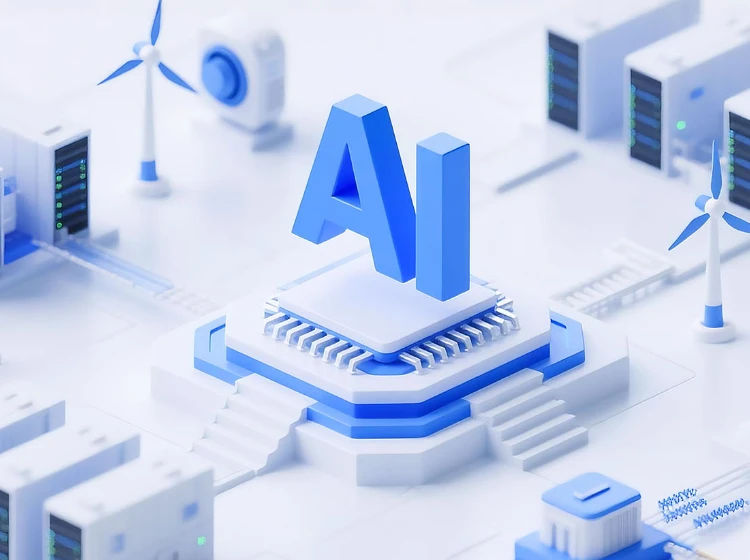
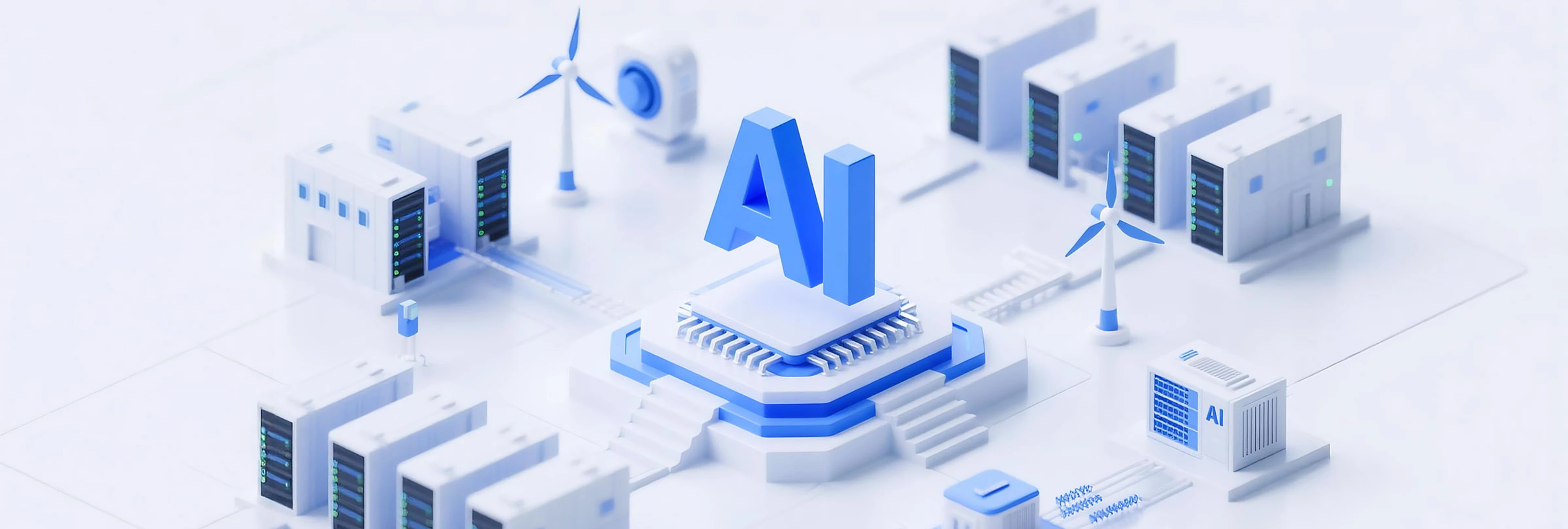
With the rapid advancement of AI technology, AI data centers have emerged as the core infrastructure for digital services.
3E AI Data Center is a next-gen computing infrastructure dedicated to delivering computing power, data and algorithm services for AI computing tasks.
On one hand, it is a data center that leverages AI to optimize and automate operations, boosting efficiency and performance.
On the other hand, it provides robust resources for AI training and deployment, including advanced storage systems, networks, servers and hardware.
Advantages of 3E AI Data Center
Compared with general-purpose data centers, 3E AI Data Center stands out with notable differences in chip configurations and cabinet power ratings.
It primarily adopts CPU+GPU heterogeneous servers to deliver high-performance computing capabilities for matrix operations, and is equipped with high-power cabinets of 12–24 KW or above—ideal for powering deep learning, machine learning and large-scale data processing tasks.
The integration of 3E AI technology significantly boosts data center efficiency. By enabling predictive maintenance of hardware systems, it cuts maintenance costs, improves power usage effectiveness (PUE), reduces downtime, enhances service quality and lowers overall operational costs.
Full-Spectrum Development & Operations Services


Co-development


Construction


Logistics


Management
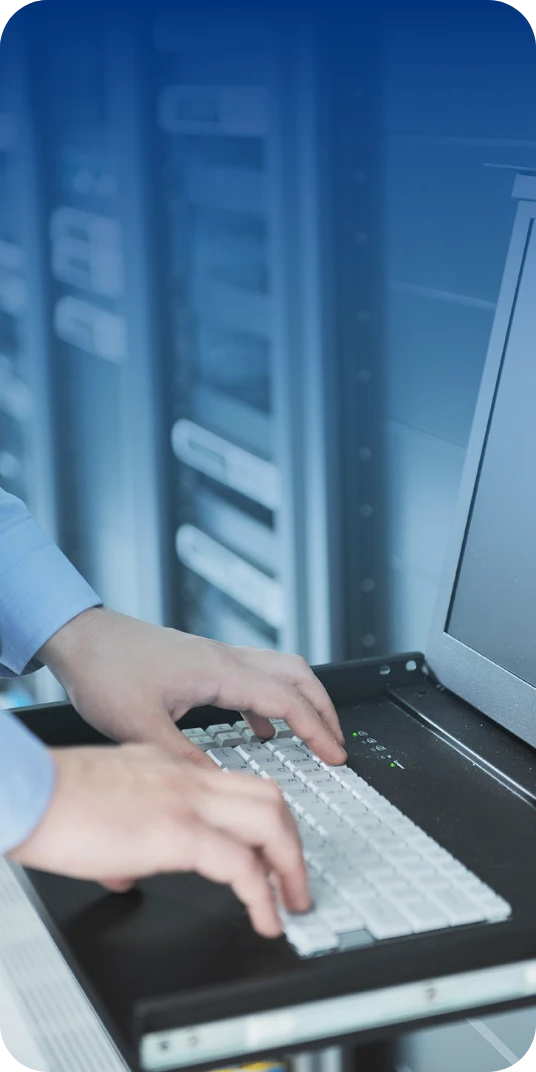

O&M
AI-Driven Next-Gen Data Centers
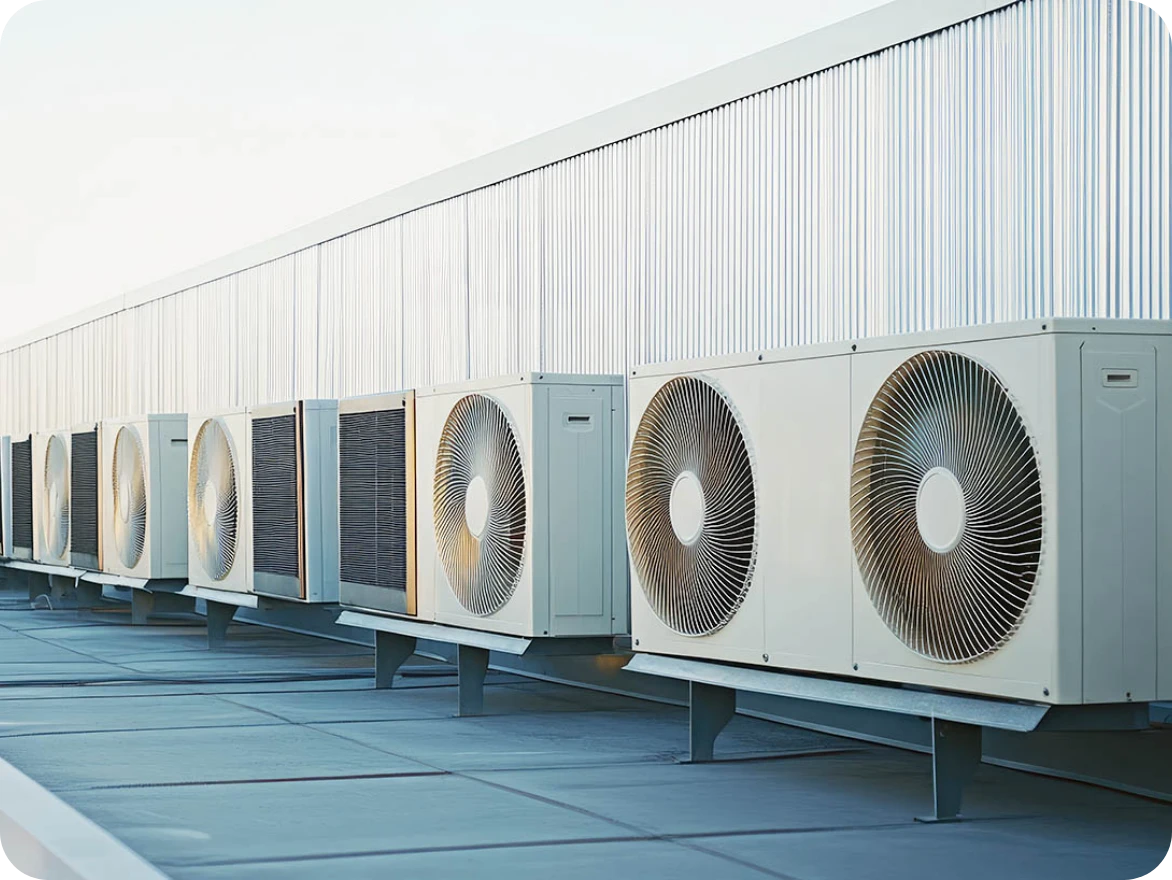
In-depth Optimization of Energy & Cooling Systems
-
![Checkmark]() Powered by an AI-based intelligent cooling system, we
collect and analyze real-time data on cooling systems, IT
loads and external environmental parameters. AI algorithms
then dynamically optimize cooling strategies, cutting the
annual average PUE by 8% to 15%.
Powered by an AI-based intelligent cooling system, we
collect and analyze real-time data on cooling systems, IT
loads and external environmental parameters. AI algorithms
then dynamically optimize cooling strategies, cutting the
annual average PUE by 8% to 15%. -
![Checkmark]() 3E’s AI technology enables accurate forecasting of
dynamic electricity prices. By combining this with
intelligent load scheduling of computing resources, it
transforms data centers from mere energy consumers into
proactive energy managers.
3E’s AI technology enables accurate forecasting of
dynamic electricity prices. By combining this with
intelligent load scheduling of computing resources, it
transforms data centers from mere energy consumers into
proactive energy managers.

Intelligent O&M and Predictive Maintenance
-
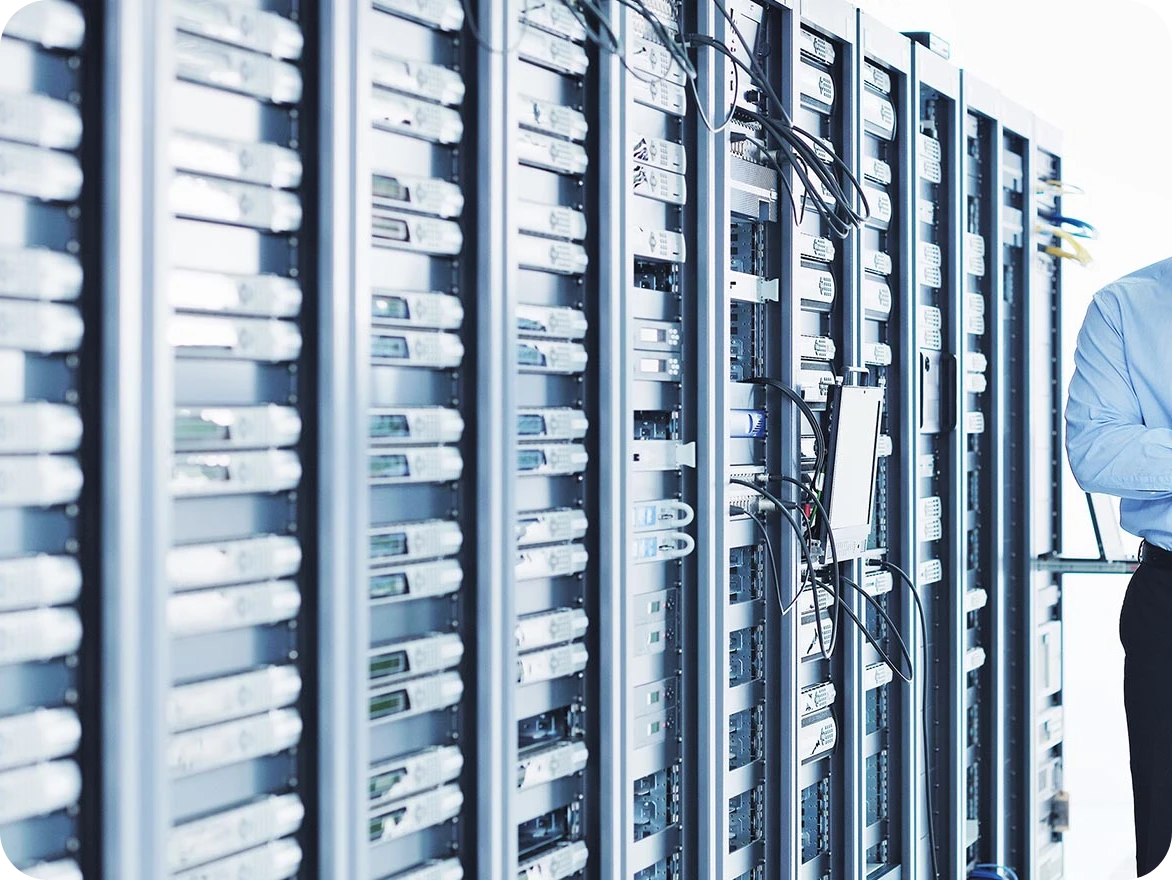
![Checkmark]() Traditional operation and maintenance models are
inefficient and costly. 3E data centers use AI systems to
continuously monitor equipment conditions through Internet
of Things (IoT) sensors, combined with machine learning
models to predict failure risks, which can significantly
reduce the probability of unplanned downtime.
Traditional operation and maintenance models are
inefficient and costly. 3E data centers use AI systems to
continuously monitor equipment conditions through Internet
of Things (IoT) sensors, combined with machine learning
models to predict failure risks, which can significantly
reduce the probability of unplanned downtime. -
![Checkmark]() Built on the AIOps (Artificial Intelligence for IT
Operations) framework, the center enables fully automated
O&M workflows and centralized remote management. This
delivers substantial O&M cost reductions while effectively
easing the workload of the O&M team.
Built on the AIOps (Artificial Intelligence for IT
Operations) framework, the center enables fully automated
O&M workflows and centralized remote management. This
delivers substantial O&M cost reductions while effectively
easing the workload of the O&M team.
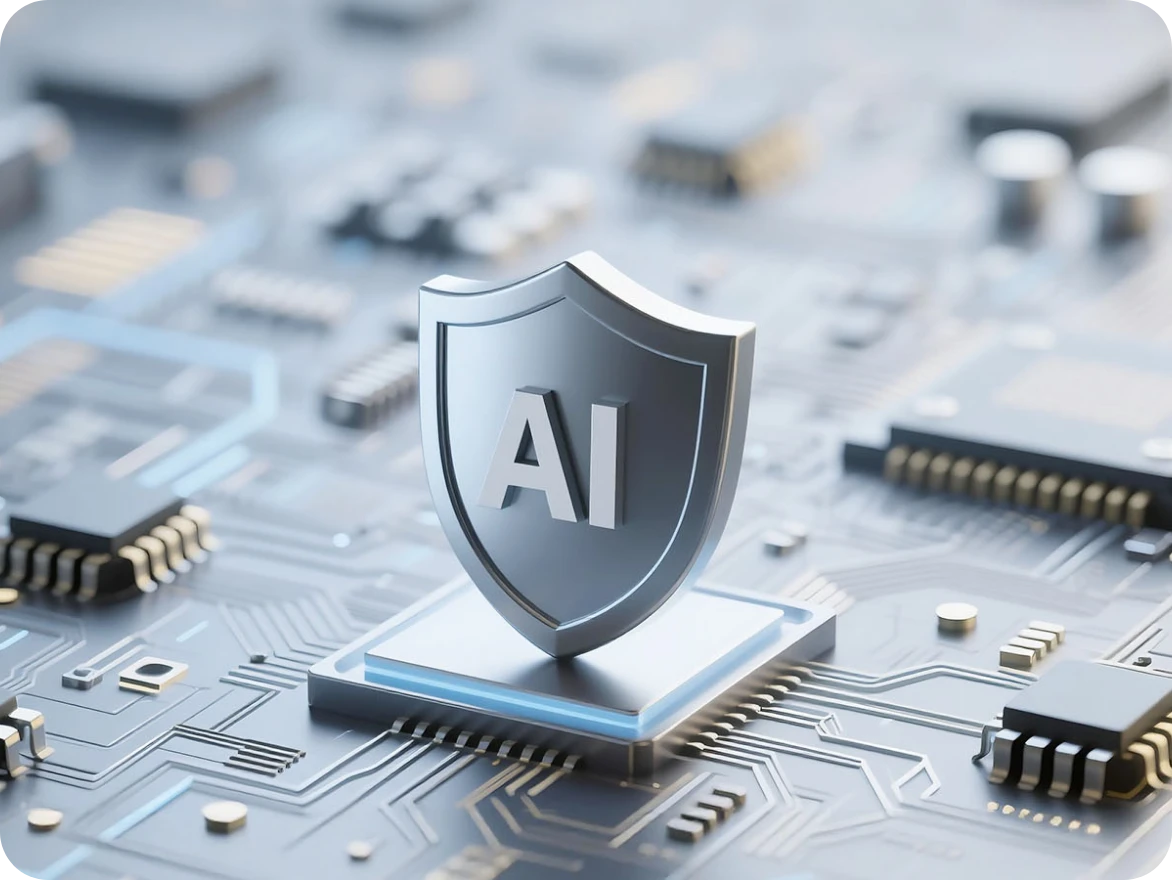
Establishing AI-Powered Intelligent Security Protection
-
![Checkmark]() Leverage AI systems to conduct behavioral analysis and
anomaly detection: identify account activities deviating
from normal usage patterns, such as logins during
off-hours or operation requests with irregular
permissions.
Leverage AI systems to conduct behavioral analysis and
anomaly detection: identify account activities deviating
from normal usage patterns, such as logins during
off-hours or operation requests with irregular
permissions. -
![Checkmark]() Implement real-time network traffic monitoring: detect
indicators of potential security vulnerability
exploitation, such as abnormal data exfiltration.
Implement real-time network traffic monitoring: detect
indicators of potential security vulnerability
exploitation, such as abnormal data exfiltration. -
![Checkmark]() Identify internal threats: uncover hidden internal risks
from vast volumes of log data and user activity records.
Identify internal threats: uncover hidden internal risks
from vast volumes of log data and user activity records.
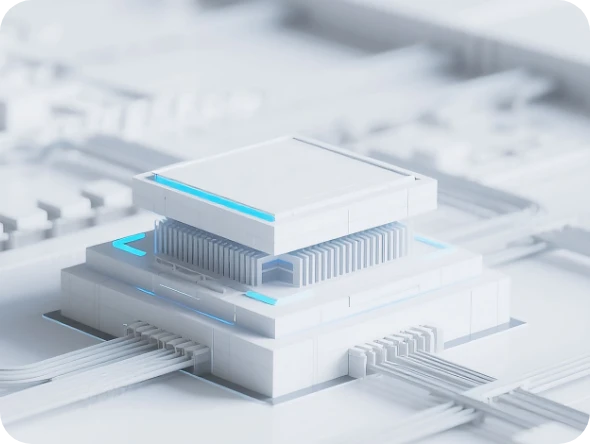
Core Infrastructure for Digital Services
With the rapid advancement of AI technology, AI data centers have emerged as the core infrastructure for digital services.
3E AI Data Center is a next-gen computing infrastructure dedicated to delivering computing power, data and algorithm services for AI computing tasks.
On one hand, it is a data center that leverages AI to optimize and automate operations, boosting efficiency and performance.
On the other hand, it provides robust resources for AI training and deployment, including advanced storage systems, networks, servers and hardware.
Advantages of 3E AI Data Center
Compared with general-purpose data centers, 3E AI Data Center stands out with notable differences in chip configurations and cabinet power ratings.
It primarily adopts CPU+GPU heterogeneous servers to deliver high-performance computing capabilities for matrix operations, and is equipped with high-power cabinets of 12–24 KW or above—ideal for powering deep learning, machine learning and large-scale data processing tasks.
The integration of 3E AI technology significantly boosts data center efficiency. By enabling predictive maintenance of hardware systems, it cuts maintenance costs, improves power usage effectiveness (PUE), reduces downtime, enhances service quality and lowers overall operational costs.
Full-Spectrum Development & Operations Services


Co-development


Construction


Logistics


Management


O&M
AI-Driven Next-Gen Data Centers
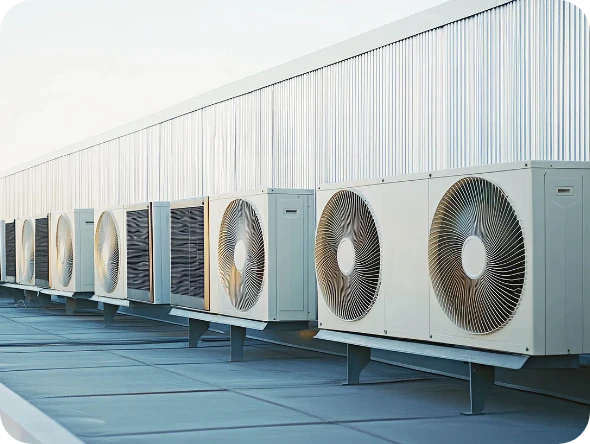
In-depth Optimization of Energy & Cooling Systems
-
![Checkmark]() Relying on the AI intelligent cooling system, real-time
collection and analysis of refrigeration system, IT load and
external environment parameters, through algorithm intelligent
adjustment of cooling strategy, can reduce the annual average
PUE (power utilization efficiency) by 8% to 15%.
Relying on the AI intelligent cooling system, real-time
collection and analysis of refrigeration system, IT load and
external environment parameters, through algorithm intelligent
adjustment of cooling strategy, can reduce the annual average
PUE (power utilization efficiency) by 8% to 15%. -
![Checkmark]() 3E’s AI technology enables accurate forecasting of dynamic
electricity prices. By combining this with intelligent load
scheduling of computing resources, it transforms data centers
from mere energy consumers into proactive energy managers.
3E’s AI technology enables accurate forecasting of dynamic
electricity prices. By combining this with intelligent load
scheduling of computing resources, it transforms data centers
from mere energy consumers into proactive energy managers.

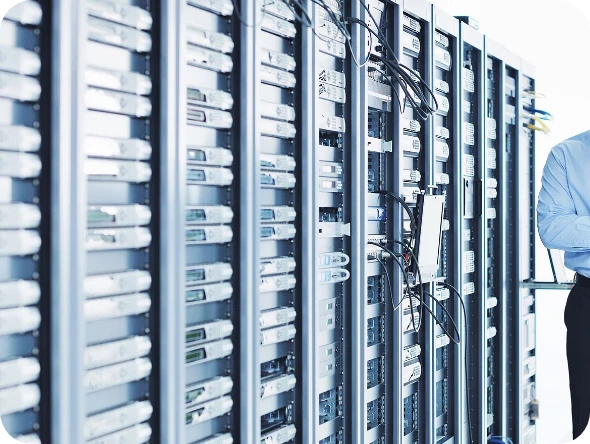
Intelligent O&M and Predictive Maintenance
-
![Checkmark]() Traditional O&M models are plagued by inefficiency and high
costs. Leveraging AI systems and IoT sensors, 3E Data Center
continuously monitors equipment performance in real time.
Combined with machine learning models, it can predict
potential faults weeks in advance, drastically cutting the
risk of unplanned downtime.
Traditional O&M models are plagued by inefficiency and high
costs. Leveraging AI systems and IoT sensors, 3E Data Center
continuously monitors equipment performance in real time.
Combined with machine learning models, it can predict
potential faults weeks in advance, drastically cutting the
risk of unplanned downtime. -
![Checkmark]() Built on the AIOps (Artificial Intelligence for IT
Operations) framework, the center enables fully automated O&M
workflows and centralized remote management. This delivers
substantial O&M cost reductions while effectively easing the
workload of the O&M team.
Built on the AIOps (Artificial Intelligence for IT
Operations) framework, the center enables fully automated O&M
workflows and centralized remote management. This delivers
substantial O&M cost reductions while effectively easing the
workload of the O&M team.
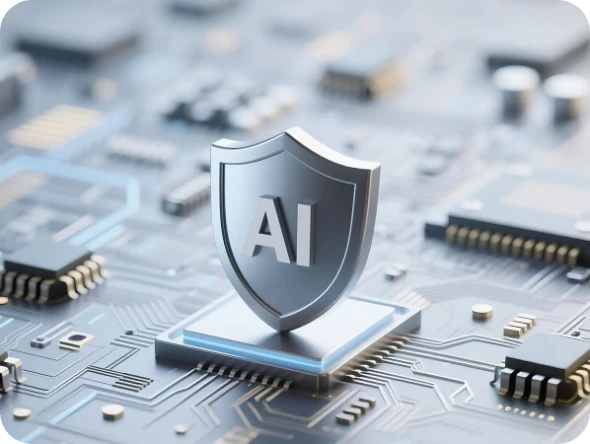
Establishing AI-Powered Intelligent Security Protection
-
![Checkmark]() Leverage AI systems to conduct behavioral analysis and
anomaly detection: identify account activities deviating from
normal usage patterns, such as logins during off-hours or
operation requests with irregular permissions.
Leverage AI systems to conduct behavioral analysis and
anomaly detection: identify account activities deviating from
normal usage patterns, such as logins during off-hours or
operation requests with irregular permissions. -
![Checkmark]() Implement real-time network traffic monitoring: detect
indicators of potential security vulnerability exploitation,
such as abnormal data exfiltration.
Implement real-time network traffic monitoring: detect
indicators of potential security vulnerability exploitation,
such as abnormal data exfiltration. -
![Checkmark]() Identify internal threats: uncover hidden internal risks from
vast volumes of log data and user activity records.
Identify internal threats: uncover hidden internal risks from
vast volumes of log data and user activity records.